







Aggressive, Crazy, Intimidating, Toxic. These are labels designated to black women as a means of depicting their nature. Whether it be “Love Island” or “Big Brother”, since their entrance to the genre of unscripted media in the late 50s, Black women across all aspects of reality TV have been subjected to harsh and cruel judgments on their character.
This demonizing narrative that haunts the media stems from the pre-existing social stereotype that black women are an angry demographic of people only capable of hostility and belligerence.
Due to this reductive representation, Black women are diminished to one-dimensional figures, essentially robbing them of their complexities and concerns. Love Island UK contestant Samara Mighty expressed her own experience with the topic.
“We feel like we can’t truly speak our minds and express our feelings without being perceived as something different,” Mighty Says
These misrepresentations also have real-world consequences, directly impacting the day- to- day feelings of Black female students in our community here at Hazelwood West.
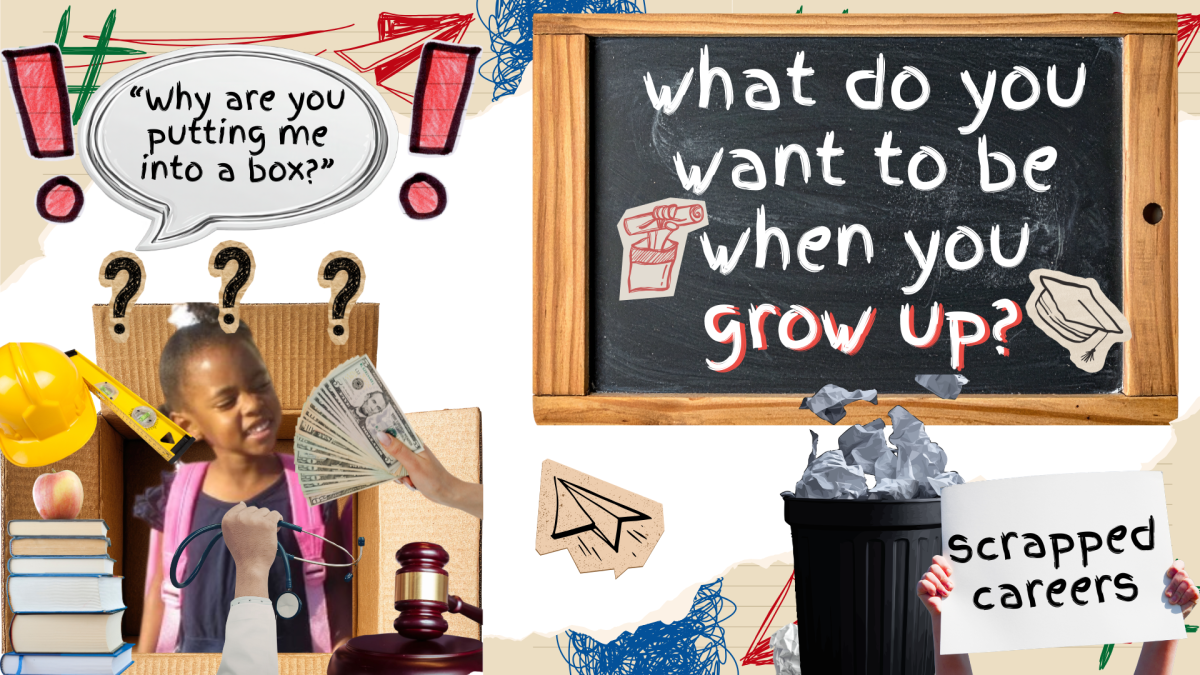
“Seeing the way women like me are characterized on popular shows makes me fearful that people will put me in a box,” Junior Leah McGhee says
Besides the challenge of being pigeonholed, these inaccurate descriptions inflict a psychological burden. Because of the insensitive archetypes forced upon them, black women feel as though they must “filter” themselves or suppress their emotions to avoid being stereotyped.
“I feel like I have to be strong 24/7 because if I show any type of emotion, I’m labeled as the ‘angry Black woman’. So I have to suppress how I feel, even when I’m hurting or feeling unloved, just so I don´t become a stereotype,” Love Island Season 7 Contestant Olandria Carthen says.
An additional consequence of this vilification is the widespread hatred it fosters. In the era of the internet we live in today, hate speech is increasingly normalized, and due to the ability to remain anonymous and hide behind a screen, the comments are filled with so much more vitriol and evil.
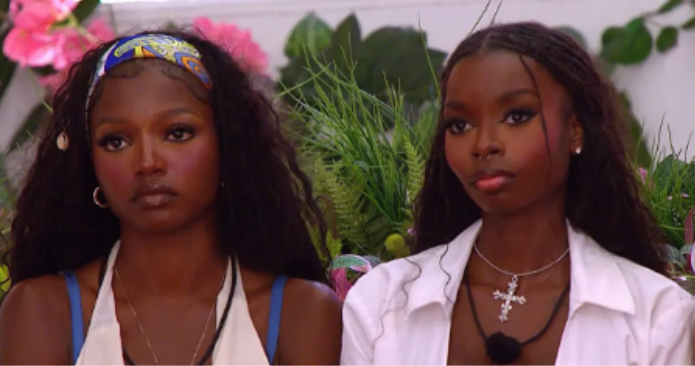
For example, in this previous season of Love Island USA, two black contestants, previously mentioned Olandria Carthen and Michelle Bissainthe, faced a ravenous amount of hate after having a minor issue with another contestant, Huda Mustafa. Due to the harmful preconceived attitudes held by some viewers, the situation was blown out of proportion. Leading the women to face not just threats to their placement on the show, but also threats to their own lives and the lives of their loved ones.
“I was even getting death threats. My family was getting death threats. It shouldn’t be like that at all. It’s very tough and unfortunate as a black woman,” Bissainthe says
Branching out of dating shows, this awful act of hate also affects lifestyle-based shows like “The Real Housewives”. One housewife, Monique Samuel, mentions how she felt after realizing the gravity of the threats she received.
“This wasn’t about the show for me anymore; this is real life. And I’m not taking this lightly because I don’t ever want this to happen again because I have way too much to lose, and I have three little children that look up to me,” Samuel says
It would be nice to think hopefully and believe that as the years progress this unfair depiction of black women would come to an end or get less blatant like most stereotype based on discrimination, But, unfortunately considering our political climate, and the rise in blatant racism and misogyny in society, the evil edits done on black women are predicted to grow harsher leading to foster even more backlash and hate in the future.
“Until we dismantle the media that White supremacy built, we will continue to have White supremacy as the output — because that is the input,” said famous poet and activist Malkia Cyril.
Etinosa Egharevba • Mar 2, 2026 at 1:09 pm
wow!!! awesome article!!!