


















From the Democratic Republic of the Congo to the Ethiopian regional state of Tigray, many nations overseas are undergoing devastating ethnic and resource-driven genocide. For some communities, this ruthless extermination of their home has persisted for years, and for others, it’s a recent reality.
While the effects of the genocide experienced by these communities create detrimental damage to the nation’s physical inhabitants, its products also extend past the national borders and allow us to ask the question, “How does it affect those in diaspora?”
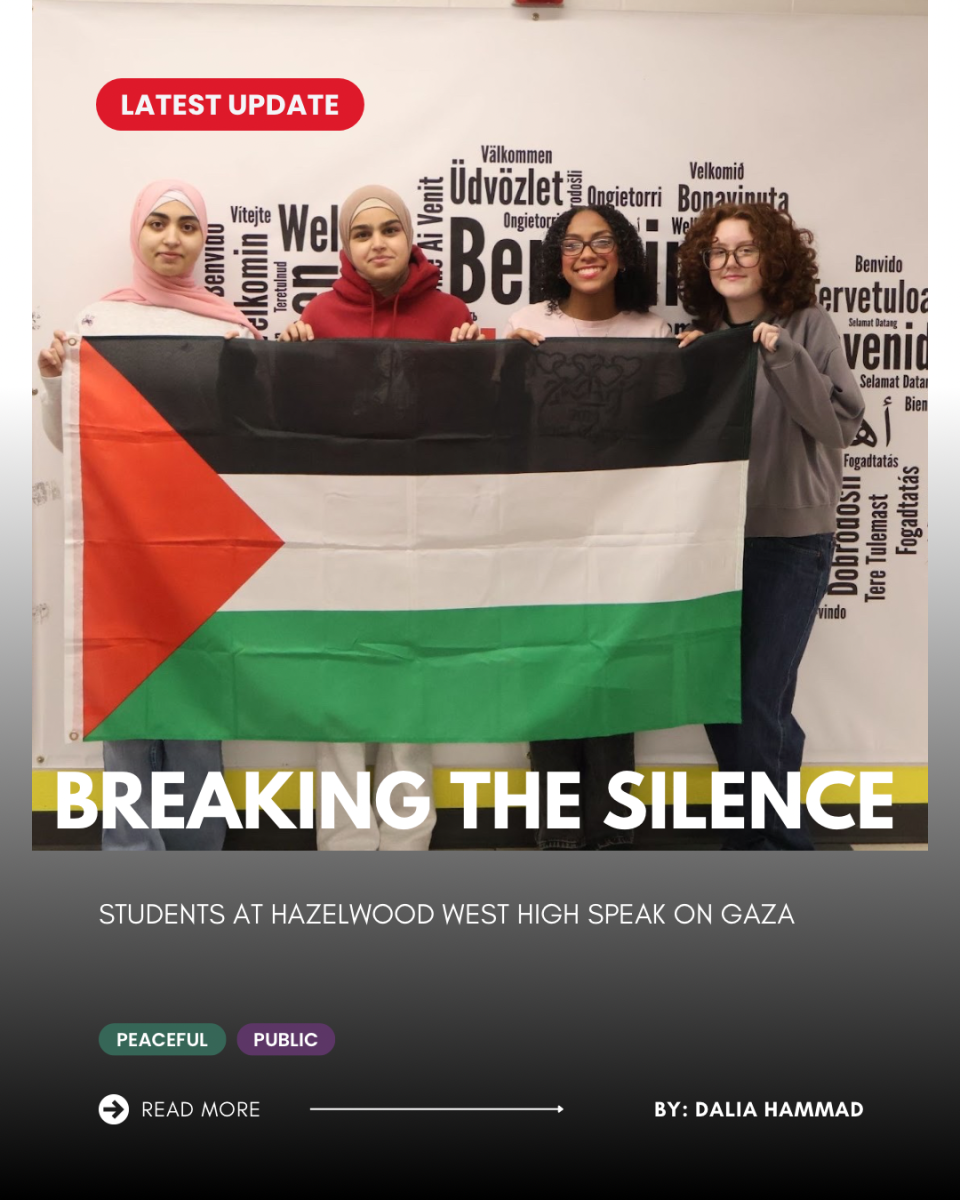
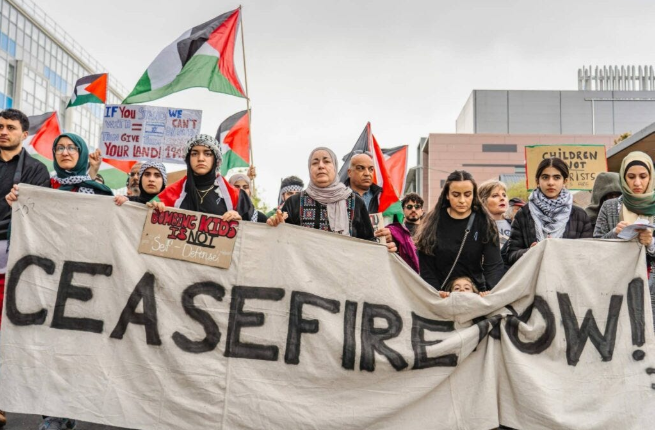
For both citizens and immigrants from the nation of Palestine, the question is easily answered. Its effects are widely evident. Since Oct. 7, 2023 there has been mass uproar and discrimination in the West towards Palestinians or anything in support of Palestine.
From schools like Columbia University and New York University withholding degrees from students involved in Pro-Palestinian protests to schools like Harvard suspending and censoring their own Palestine Solidarity Committee because they “violated campus rules”.
While those outcomes may be concerning, the most severe consequences of the discrimination occurred not during committee meetings or gatherings, but on the campus itself. Schools like the University of Florida used police intervention and threats to dismantle protests. By mid-2024, more than 3,100 students had been arrested and detained.
“Before the war, pro-Palestinian student activists were targeted. Now it’s become far worse; it’s more personal and everyone who speaks out about Palestinian humanity is being targeted, doxed and punished. It’s not fair.” 16-year-old Aliyah from the Truth Out Organization said.
Considering these circumstances, it is safe to say that many of the youth in the Palestinian community living in the West feel unfairly reprimanded for simply advocating for their nation.
An additional impact of overseas persecution on the emotions of the youth is the feeling of helplessness. Most teens who live abroad from their hurting nations feel as though they can’t do much to help and alleviate the pain of their people due to the distance between them.
“It makes me angry sometimes to think about what’s going on because I can’t do much from here.” Sudanese West Senior Abdalla Abdelrahman said.
Latching on to this feeling of incapability, some youth also tend to feel a sense of survivor’s guilt and experience a sense of dissonance as they present as strangers to domestic issues they have never personally encountered.
“Sometimes I feel like I’m not allowed to feel the pain because I’m not actively living through it, I feel a bit detached and privileged being able to speak about it from a comfortable distance.” Said Congolese Senior Queen Kalenga-Luabeya
The younger generation abroad may sometimes also feel a sense of despair and hopelessness. Due to them only being able to keep up with the active state of their nation through biased and apathetic news outlets, it may appear that the current state of their country will never cease.
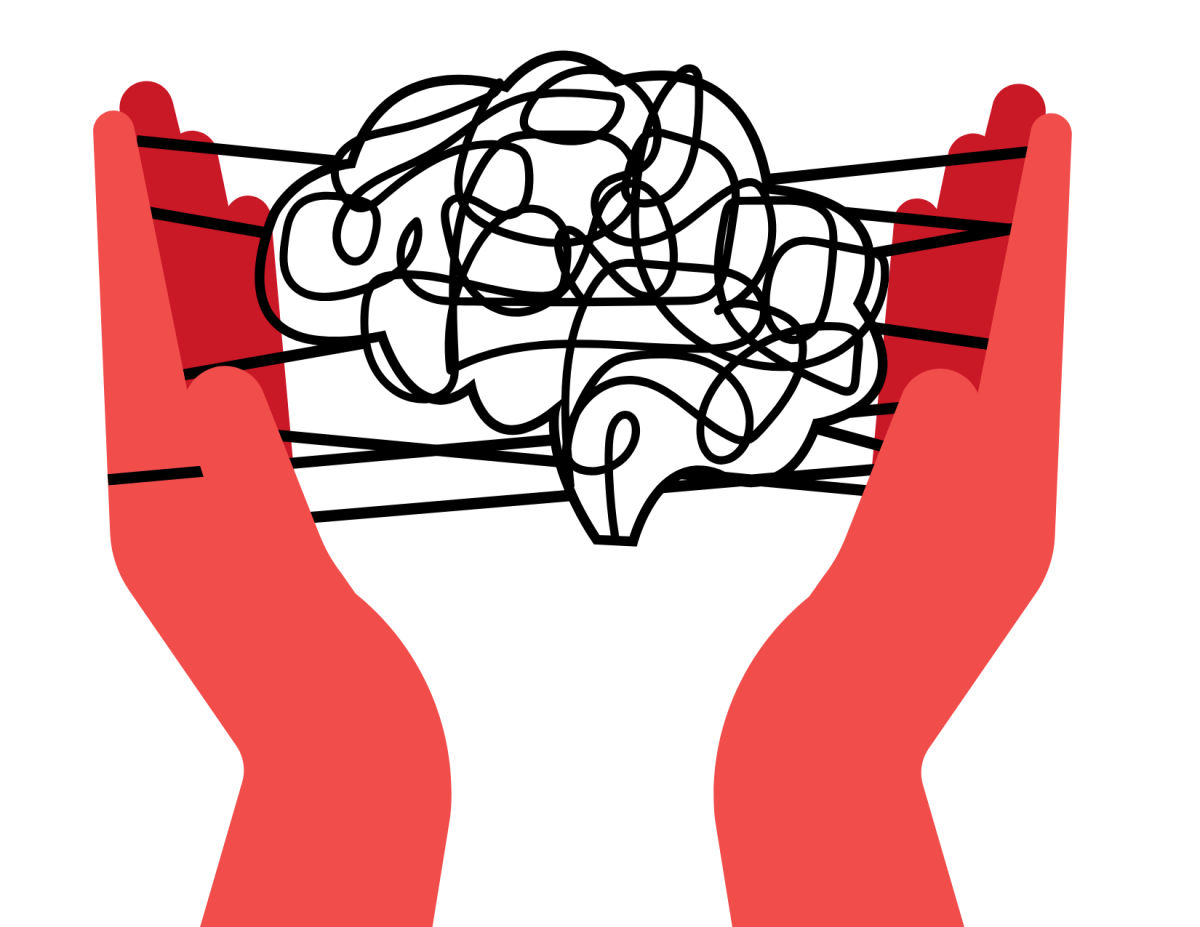
Ultimately, it’s widely apparent that the impact of genocide and national conflicts reaches beyond a nation’s physical borders. The effect presents itself as a mental and emotional burden for the youth in the diaspora.
Forcing them to lead a life in a part of the world that penalizes them and demonizes their grief, whilst they face the inner struggle and turmoil of survivor’s guilt and detachment.