








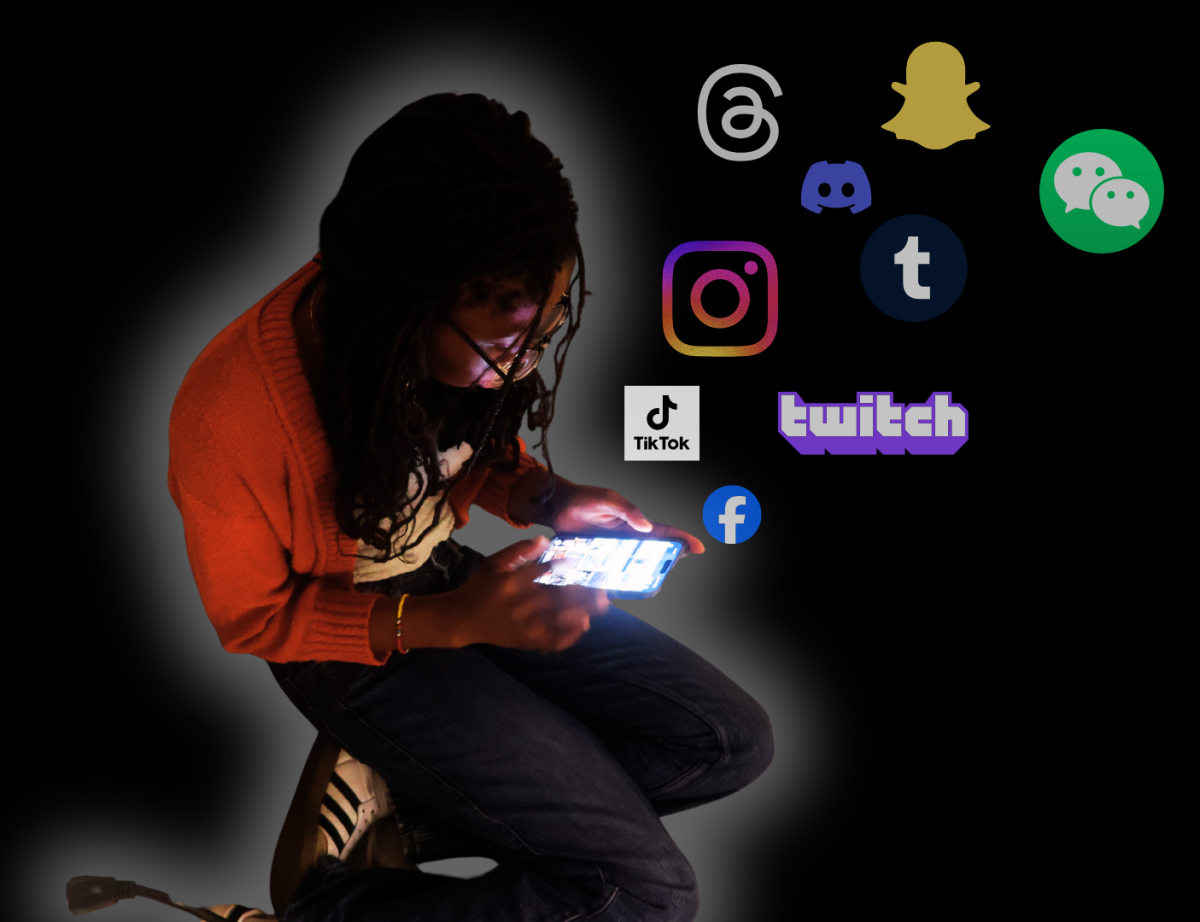

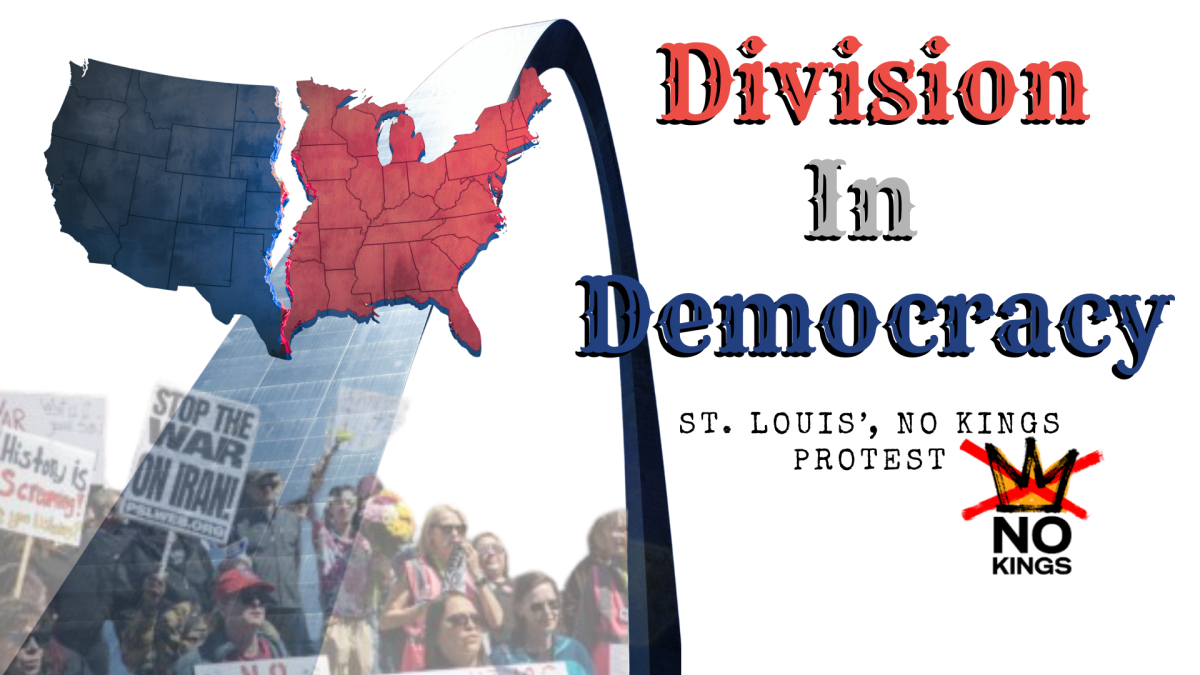




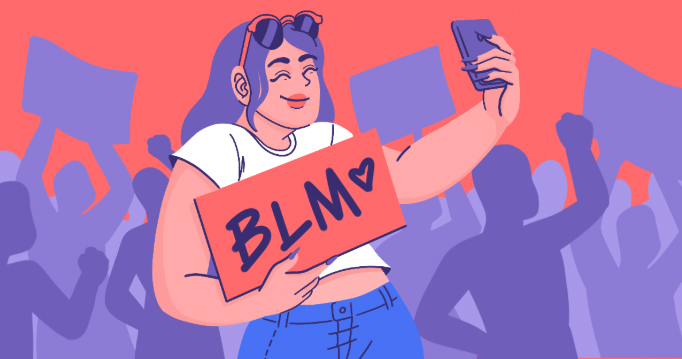





Since the new age of the “woke” era, it has become almost socially required to be an “activist”. Whether it be the sudden need to change your profile picture to a black fist in support of the “Black Lives Matter” movement or feeling pressured to place flags in your bio to support a nation in need. The push to be an advocate is real, and as a result, it creates performative activism.
Performative activism is essentially when individuals either champion a cause to increase their social capital, while maintaining arbitrary knowledge or care for the actual objective.
Although it may seem harmless for people to support a movement or a good cause regardless of knowing exactly what they’re fighting for, it has more drawbacks than expected.
One big pitfall is the spread of misinformation. Since many don’t take the time to research or learn more about the pressing issue and instead just repost or share whatever “woke” thing on their feed, they end up spreading misinformation about critical topics.
For example, in 2020, the “SaveTheChildren” movement was a global initiative aimed at rescuing and protecting missing children worldwide. However, many internet users began incorporating the hashtag into mainstream media. These users went to the web, curating aesthetically pleasing videos with inaccurate and misleading statistics about the children being trafficked, as a result, they spread misinformation concerning the issue.
Another downfall to this unfortunate societal issue is the distortion of events. Due to the memification and diluted reporting of events that come from social media activism, real causes become oversimplified and are deemed as less “serious” than they actually are.
This dilution and distortion of importance was especially prevalent in the “#JusticeForHarambe” movement. In 2016, an online campaign began after the unjust death of the Cincinnati Zoo Gorilla, Harambe. Although the movement started well, it slowly began to spiral out of its original purpose and into an internet trend.
The movement was originally to bring awareness to the national debate about the ethics of animal captivity, but later became some odd internet phenomenon that took the seriousness out of its original intent.
Finally, the most significant issue that comes as a result of performative activism is the apathy it produces. Due to the oversaturation of required support, people may feel apathetic and think that whatever cause that is going on isn’t “credible”.
When it is treated as a trend, users may feel like the issue isn’t as pressing or urgent, so they could end up being neutral to it, which doesn’t help anyone involved.
So, the next time you think about just quickly adding a hashtag or reposting a black screen, do your research beforehand to ensure that you are perpetuating a good impact and not a negative one!