























A coach’s job is to build up an athlete’s self-esteem, make in-game decisions and serve as a mentor. For many athletes, a good season or a bad season doesn’t come from their talent in the sport; it comes from the coach.
During the Hazelwood West sports season, athletes may begin to feel discouraged due to their coaches not communicating effectively, not taking feedback from the athletes well, or even putting them down.
Many times, athletes do not understand how to do what they are being taught, so it is important for coaches to try different approaches to make sure the athletes understand.
“When I see an athlete struggling, the first thing I think is, ‘ What are we not understanding, and how can I explain this in a different way?” Hazelwood West Junior Varsity soccer coach Veronica Swan said.
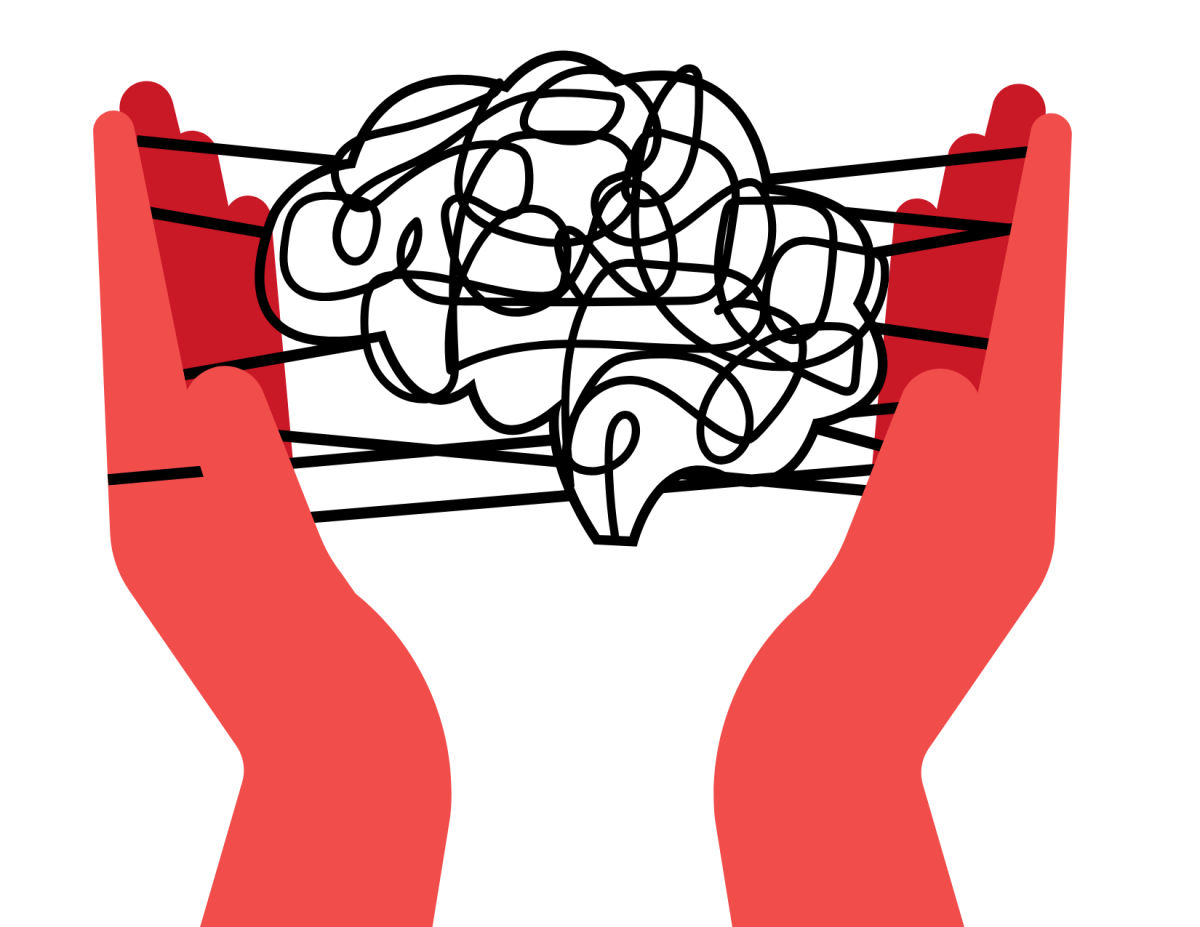
Other times, coaches lack confidence in their athletes, which causes them not to perform at maximum potential. The athlete could have a decline in motivation towards the sport or increased anxiety or fear of disappointing the team or the coach. Lack of motivation from one athlete may even cause a domino effect, leading to one player’s emotional shutdown that causes the rest of the team to shut down as well.
“My coach didn’t have confidence in me and ridiculed my play style.” Senior athlete, Abdalla Abdelrahman, said.
Poor coaching does not necessarily mean the coach is a bad person or even a bad coach. Coaches do not intend to unmotivate their athletes; a coach may display a lack of confidence just because of the pressure they personally feel from upcoming games and wanting to help improve their team.
While ineffective coaching may discourage an athlete, there are many coaches with an effective coaching style that motivates their players to do the best that they can.
Coaches who treat their players with respect and understanding often have better relationships and have more motivated players.
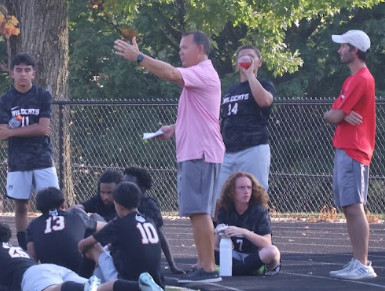
“I don’t think I would change much of anything that I currently do. I have high expectations for my players, but I also treat them the way that I would want to be treated and coached. I want them to work hard and get better every day, but I also like to think that I am a ‘players coach’.” Wests Varsity soccer coach Steven Mayes said.
Making practices fun and exciting yet effective can make athletes more engaged, motivated and willing to put in the energy needed to improve their skills.
“My soccer coach makes it fun to work hard.” Senior athlete Cameron Jones said.
Coaching plays a vital role, especially in high school sports, where athletes are beginning to learn how to play at a higher level. Coaches are responsible for teaching skills and creating effective plans for practices. Which makes them responsible for the words and actions they use that could potentially affect an athlete’s confidence and performance.