











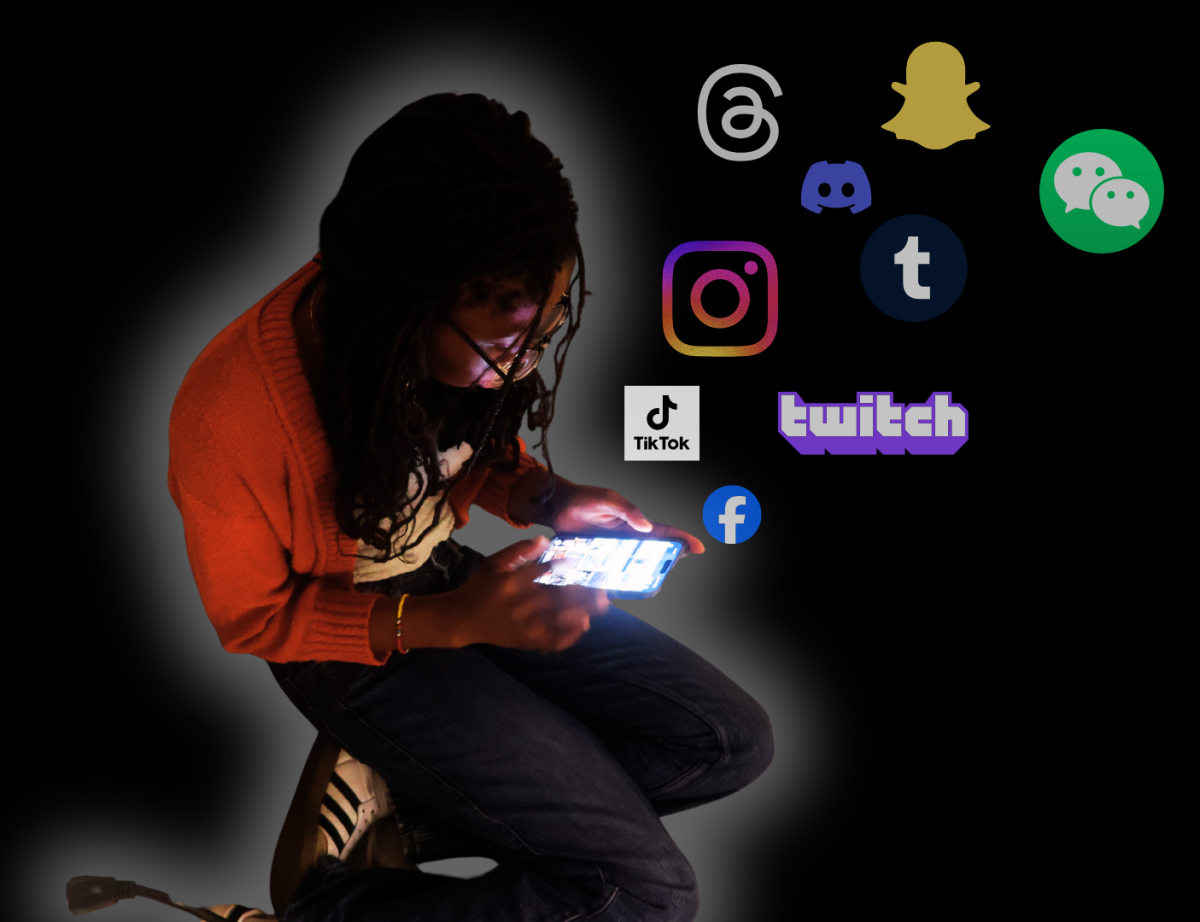




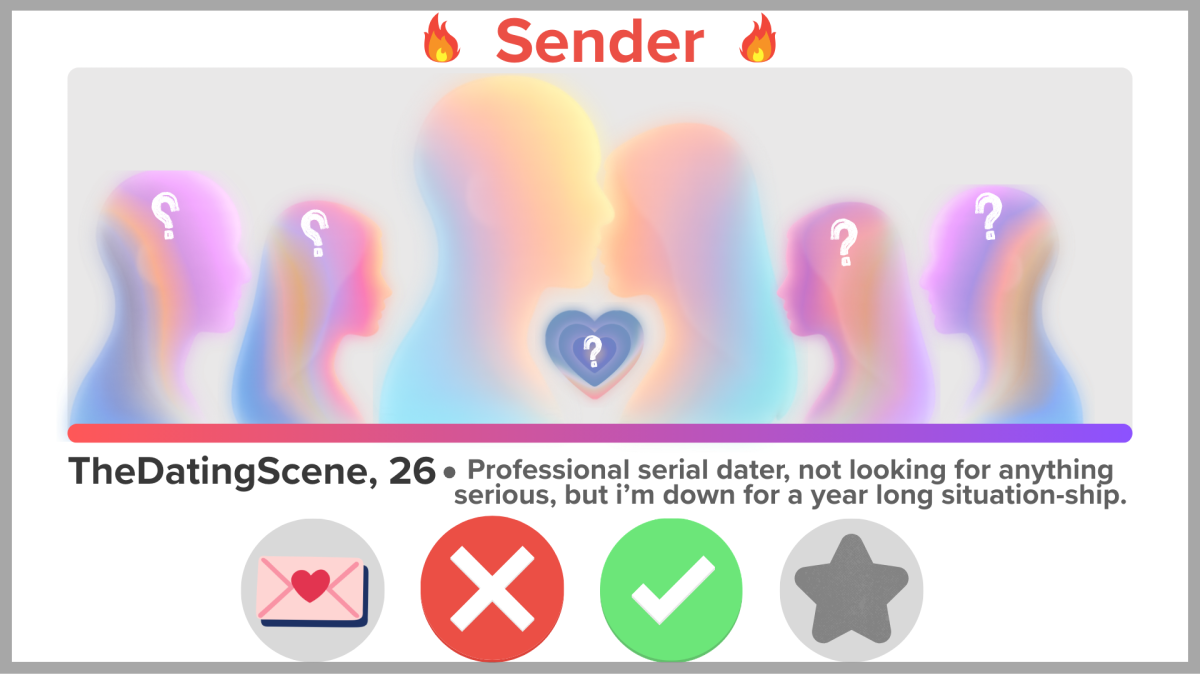





Devices have been showing up more in teenagers’ lives. They offer benefits like helping parents know where their child is and allowing teens to stay connected with their friends. From checking in through texts to getting news online, technology plays a huge role in everyday life. As screen time increases, parents begin to have concerns about its impact on their children’s mental health.
In 2022, the ‘Health Behavior in School-aged Children’ study surveyed almost 280,000 people ages 11, 13 and 15 across 44 countries and regions in Europe, central Asia and Canada. From these studies, they discovered that 11% of these children show signs of problematic social media behavior, 36 percent use their phones to have consistent contact with friends online, 34% play digital games daily, while 22% of those children play for at least 4 hours a day.
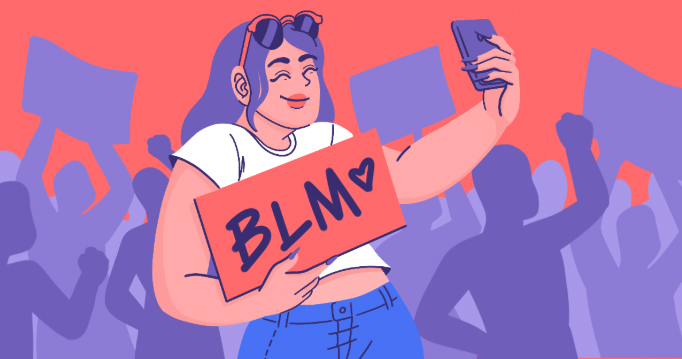
Many teenagers use social media as a release when they’re having negative thoughts. Though this helps in the moment, it pulls teenagers away from real-life experiences they could be having.
“I use social media to consume thoughts, like I would just scroll and scroll and scroll and like tunnel through social media to not focus on real life and what’s going around you, once you remove yourself, you’ll realize that,” Junior Leyla Johnson said.
Spending the day scrolling is not always the best idea, many teens report feeling guilty for spending so much time on social media, especially when they could be with friends, doing schoolwork or hobbies.
“I feel embarrassed because like I just spent my time doing nothing,” Junior Jordan Von Hall said.
“If I’m scrolling on TikTok, I feel a little bit brain-rotted because I’m just scrolling on my for you page for hours and hours without actually doing anything,” Junior Etinosa Egharevba said.
On social media, people have access to seeing what their friends are up to but that can make teenagers feel like they wasted their day away while their friends are hanging out, exploring and doing productive activities.
“I feel isolated because it is other people I’m watching while I’m just at home,” Von Hall said.
Social media isn’t something that only makes a teenager feel isolated; it can help them feel socialized. They can talk to their friends from school or even friends who might have moved away that they don’t see anymore.
“I feel more socialized because I talk to my friends on there,” Johnson said.
When you compare yourself to people on social media, it will make people feel worse about themselves. Someone on social media may have edited their posts, but someone who saw it may compare that photo to themselves and want to look like the fake photo.
“If you see a video of a characteristic about yourself and everyone is hating on it, it’ll make you think that you need to hate yourself too,” Egharevba said.
Social media gives teenagers a community to help them know they can get through stuff.
“When I find people going through the same things as me, it’s a community, I’m not alone, so it makes me realize that what I’m going through, I can get through it,” Egharevba said.
“Using social media to tunnel, you can use it to block out the world and not pay attention to the world and that kind of consumes you, but that’s not good because then you’re not paying attention to you, your feelings or your needs,” Johnson said.


etinosa is the goat • May 2, 2026 at 4:28 pm
beautfiul article