















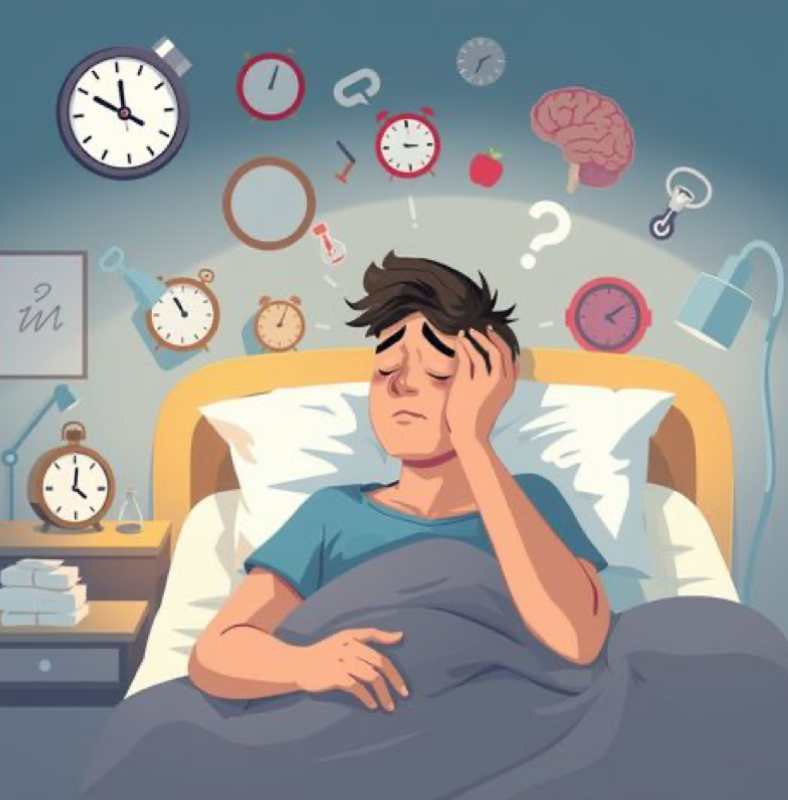










Lack of sleep among teenagers is becoming a growing problem as researchers like Mary Carskadon continue to link poor sleep habits with declining mental health. Experts at Centers for Disease Control and Prevention say adolescents need between eight and 10 hours of sleep each night, yet many fail due to academic pressure, social media use and irregular schedules.
Sleep plays an important role in brain development, emotional regulation and overall well being. During sleep, the brain processes information, consolidates memories and resets for the next day. According to the Centers for Disease Control and Prevention, “getting enough sleep is important for students’ health, safety and academic performance.” Without enough rest, teens are more likely to experience mood swings, difficulty concentrating and increased stress levels.
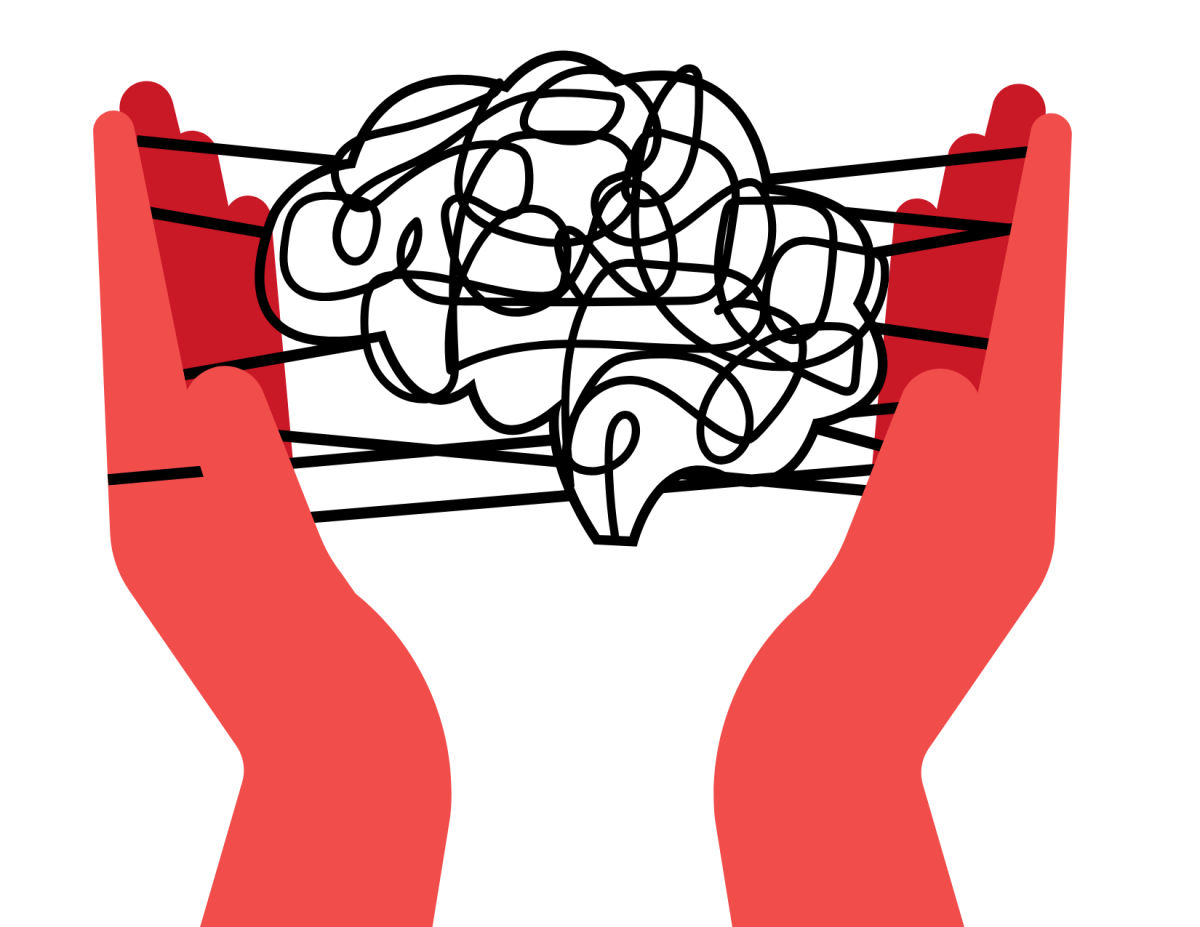
Mental health professionals warn that chronic sleep deprivation can contribute to more serious issues, including anxiety and depression. The American Academy of Sleep Medicine states that “insufficient sleep in teenagers is associated with increased risk of depression and suicidal thoughts.” Teens who do not get enough sleep may feel overwhelmed more easily and struggle to cope with everyday challenges.
“Sleep is not just about feeling rested,” experts emphasize. The National Institute of Mental Health notes that sleep “affects how you think, feel and react,” highlighting its direct connection to emotional and cognitive functioning. Irritability, lack of motivation and feeling of sadness are common signs tied to lack of rest.
The rise of technology has also played a role in disrupted sleep patterns.
Many teenagers stay up late scrolling on their phones or using social media, exposing themselves to blue light that interferes with the body’s natural sleep cycle. According to the Sleep Foundation, blue light “can suppress melatonin production, making it harder to fall asleep.” This reduces overall sleep quality and delays bedtime.
Schools and parents are beginning to recognize the importance of healthy sleep habits. The American Academy of Pediatrics has recommended that middle and high schools start at 8:30 a.m. or later to support teen sleep needs. At home, experts suggest setting consistent bedtimes, limiting screen use before bed and creating a quiet, comfortable sleep environment.
Prioritizing sleep can lead to noticeable improvements in a teen’s mental health. Better rest is linked to improved focus, more stable emotions and a stronger ability to handle stress. As awareness grows, health professionals emphasize that sleep should be treated as a necessity, not a luxury.
For teens navigating school, relationships and personal challenges, getting enough sleep may be one of the most effective ways to support their mental health.