

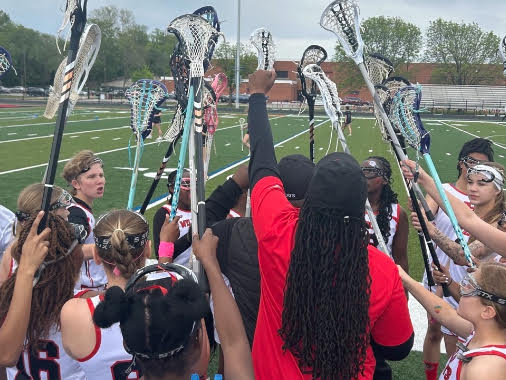
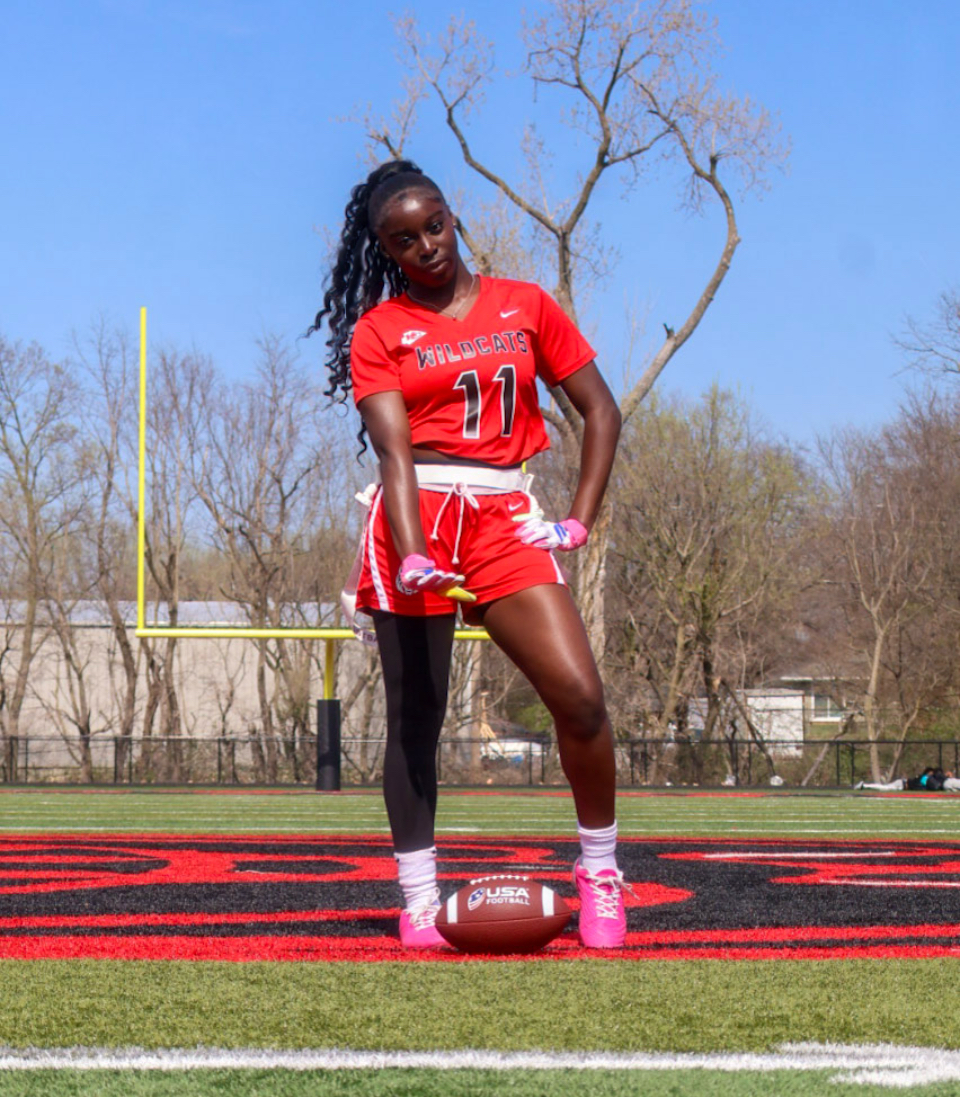













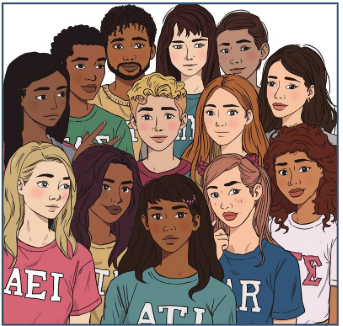






Extracurricular activities are a vital part of school life. They offer students opportunities to explore interests, develop new skills and build friendships outside the classroom. Whether its sports, music, debate or art clubs, these activities can shape a students confidence and future aspirations. However, one issue that often goes unnoticed is favoritism since many students are nervous to speak up, and favoritism is the practice of giving special attention or treatment to certain individuals over others. Favoritism in extracurriculars sabotages the purpose of these programs and can have lasting negative effects on students.
Favoritism can happen for many reasons. In a study published in the Journal of Professional and Business Studies, some of the reasons behind favoritism are: the student already being well known, or has family connections, simply gets along better with the adults or has been in the program for a long amount of time. While it’s natural for people to form closer bonds with some individuals, allowing those feelings to influence decisions in extracurricular activities is unfair. These programs should be about growth, teamwork and equal opportunity, not about who is liked best.
The impact of favoritism can be significant. For students who are favored, it may seem like a positive experience at first, as they get more chances to participate, lead or perform. However, in a piece published by East Lake Pediatrics, those who are favored can feel pressure to always meet expectations and may cause resentment among other students.
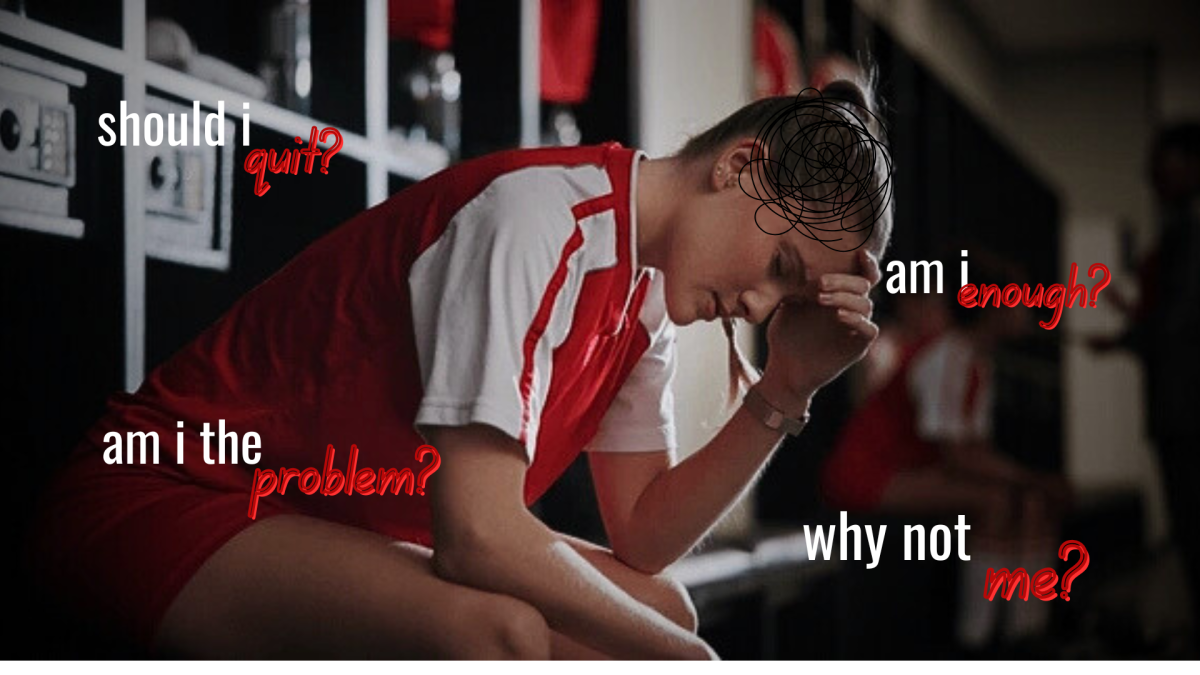
For those who are overlooked, these effects can be discouraging. Imagine practicing hard for weeks, only to see the same few students always chosen for key roles or positions. This can lead to feelings of frustration, low self-esteem and even a loss of interest in the activity altogether. An article from the Sportsprep Live Editorials states that when students feel as if their efforts don’t matter, they are less likely to try their best or continue participating. Favoritism can also damage team spirit. Instead of working together, students may become divided, leading to an unhealthy environment where cooperation and mutual respect are lost.
Fairness is essential in any group activity. When everyone feels they have an equal chance to succeed, they are more motivated to work hard and support each other. Leaders and coaches play a crucial role in setting this tone. By making decisions based on effort, improvement and attitude, than popularity or past success, they help create a positive and inclusive environment. A fair approach also helps students with important life lessons. In the real world, opportunities are not always handed out based on who you know, teaching students to value hard work, perseverance and teamwork prepares them for challenges beyond school
Addressing favoritism starts with awareness. Teachers, coaches and club leaders should regularly reflect on their choices and consider whether they are giving all students a fair chance. Based on a quiz, 84% of people in that given work environment strived better when having a motivating hierarchy Setting clear criteria for selections, such as attendance, effort and improvement, can help make decisions more transparent. Students can also play a role by supporting one another and speaking up if they notice unfair treatment. Open communication between students and leaders can help resolve misunderstandings and ensure everyone feels heard.