Everywhere—in restaurants, airports, and bus stops—people sit with heads down, screens aglow, endlessly scrolling. Conversations halt for notifications, and quiet moments disappear in the constant buzz of technology.
The Pros and Cons of Technology
Technology has transformed society in powerful ways. It improves communication, advances medicine, reshapes education and boosts economic growth. From early inventions like the telephone and mechanised farming to modern breakthroughs such as the internet, artificial intelligence and renewable energy, information is easier to access, global connections are stronger, healthcare is enhanced, and new jobs are created.
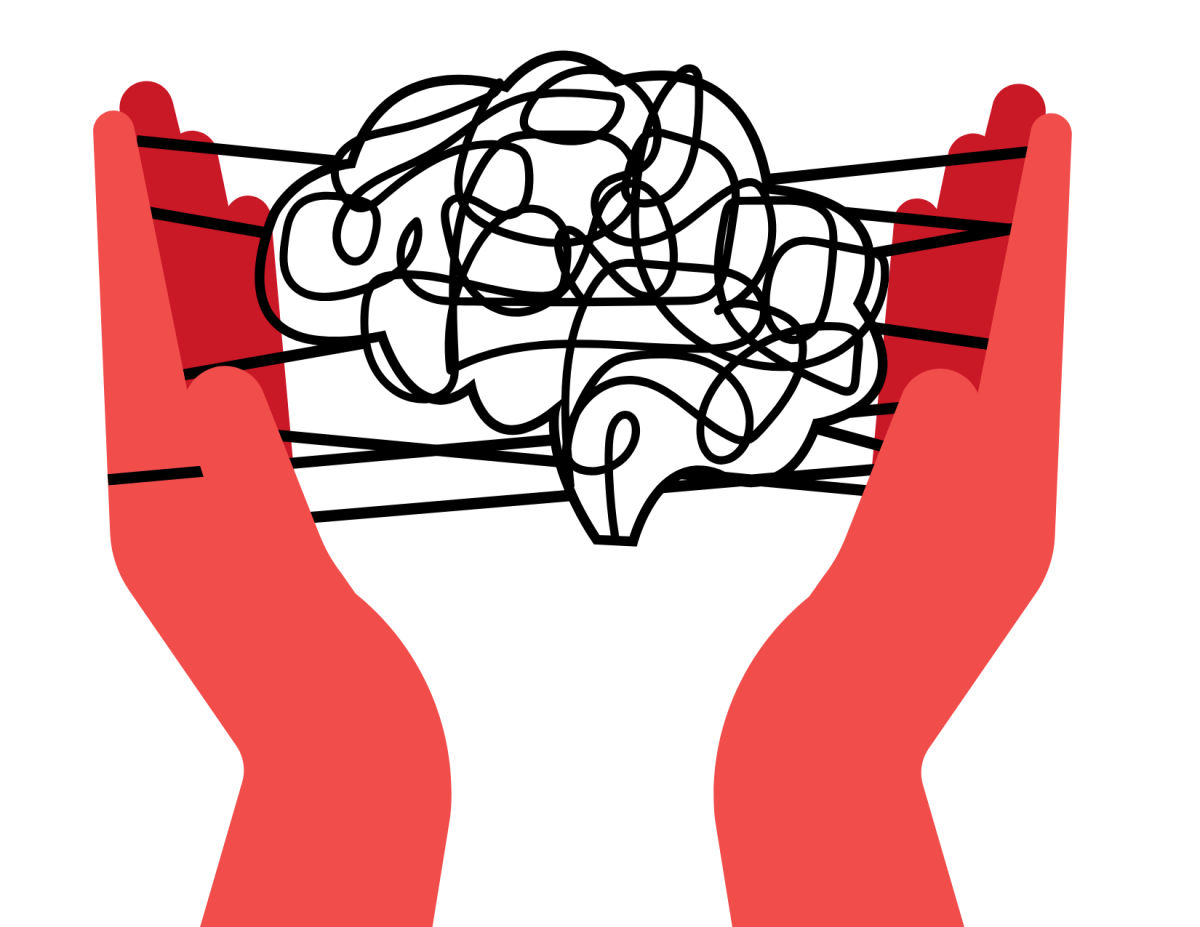
Yet these benefits come with consequences. Rising addiction, cyberbullying, privacy concerns, and decreased face-to-face interactions highlight how convenience and progress can sometimes harm mental health, relationships, and well-being. The same technology that connects us can also stress us, isolating people and exposing them to risks.
Mental Health and Social Media
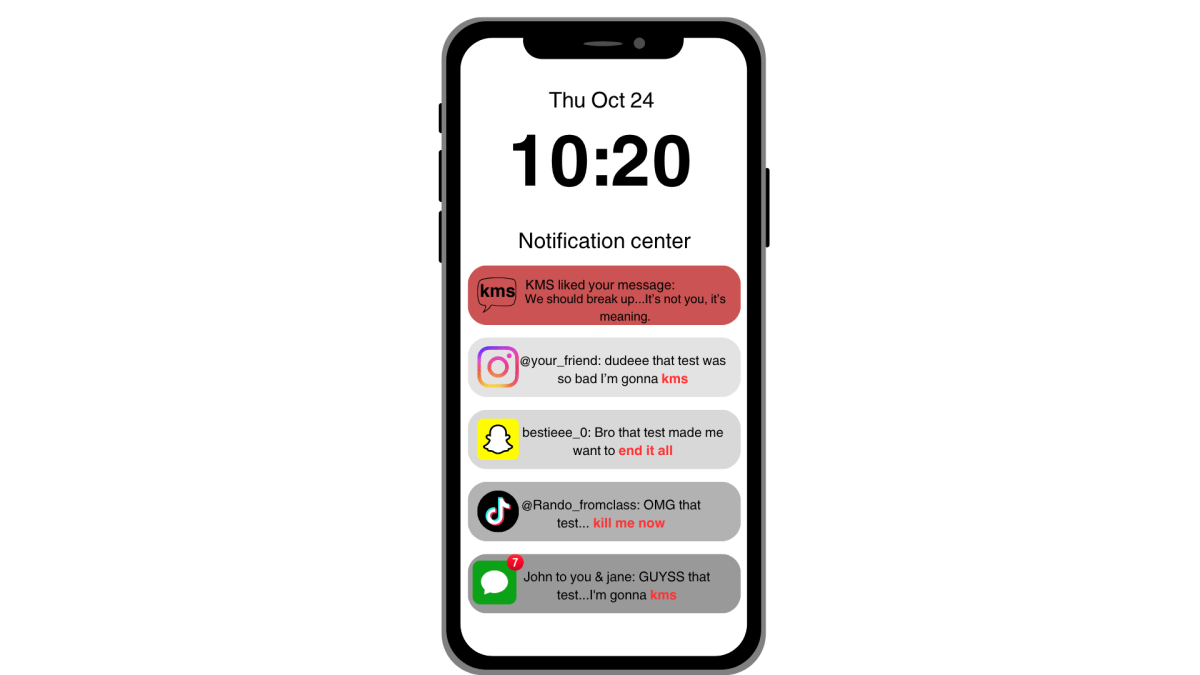
Social media often promotes constant comparison, leaving many, especially teens, feeling anxious, depressed or insecure. Screens can replace real-life interactions, shorten attention spans and increase isolation. Cyberbullying and online harassment add emotional stress, while reliance on devices in shared spaces — like sitting next to friends but texting instead of talking — can weaken relationships. Excessive screen time has even contributed to social anxiety, as many feel safer communicating behind a screen than in person.
Changes in Communication and Education
Communication used to be slow and limited by distance and landlines. Today, calls, texts, emails, and voice chats connect anyone instantly, anywhere in the world. Smartphones also provide immediate access to emergency services, putting help at your fingertips.
Education has shifted dramatically as well. Schools that once struggled to provide enough books now rely on e-learning platforms and virtual classrooms, making education more flexible and accessible. Online college allows students to save money on dorms and campus costs while learning remotely. However, research from the 2020-2021 shift to online learning shows that moving away from in-person instruction lowered academic progress, affected mental health and decreased enrollment — revealing both the promise and the challenges of technology in education.
Student Perspective
Students experience the effects of technology every day, often in ways they don’t even realise.
“Technology plays a really important role in my life. I use my phone every day — for homework, for work, for music, for everything.” West Senior Shavonne Small said.
“My screen time is way too high. I’m always on TikTok or Instagram, even when I should be sleeping or doing schoolwork.” Despite concerns, she said technology helps her stay organised and connected academically. “It actually helps me focus sometimes. I use it for music, checking Google Classroom, and catching up on notes I missed.” West Senior Mary Kingori said.
Technology has also shaped many students’ social lives and even their own view of themselves.
“It absolutely affects friendships. I’ve made new friends out of state, and it helps me keep in touch with the friends I already have. A quick call fixes misunderstandings that texting can’t.” Kingori said. “Your digital footprint is the first impression people get. What you post tells people who you are…The good outweighs the bad. You can learn almost anything, stay informed, and stay connected — but you can’t believe everything you see.”
Teacher and Administrator Perspective
Teachers have noticed both benefits and drawbacks.
“Not having cell phones in classrooms has been a huge improvement,” Nicole Smith, West’s apparel and textiles teacher, said. “Students are more engaged and focused — they actually use the sewing machines instead of watching videos on their phones.”
She added that technology can still be a useful tool when applied correctly.
“The internet provides videos and resources for different learners so they can show students exactly what they need to see,” Dean Grass, the 8th-grade principal, said. “Technology has made school operations faster and safer, but overreliance can hurt social skills. Students need face-to-face interaction to build communication skills.”